November 6, 2026
Preventing falls is an important part of helping older adults maintain their safety, confidence, and independence. While falls can happen for many reasons, simple changes to everyday routines and living spaces can help reduce common risks. Understanding potential hazards, knowing when to ask for assistance, and working together can make a meaningful difference.
At The Parkway Senior Living, I believe fall prevention begins with creating an environment where residents can move safely and confidently. Everyday hazards are sometimes easy to overlook, but recognizing them and making small adjustments can help reduce the risk of falling.
As Wellness Director, I encourage residents, families, and team members to work together to maintain safer apartments while supporting each resident’s independence and personal preferences.
Some of the most common fall hazards in residents’ apartments include loose rugs, cluttered walkways, poor lighting, electrical cords, and wet floors.
Furniture placement can also create challenges, especially when chairs or tables block pathways or make it difficult to use a walker or other mobility device.
I encourage residents and families to take a careful look at how their apartments are arranged.
Keeping floors free of clutter, removing unsecured rugs, and securing electrical cords away from walking areas are simple ways to reduce tripping hazards.
Spills should also be cleaned promptly, particularly in bathrooms and other areas where floors may become slippery.
Furniture should be arranged to create clear pathways between frequently used spaces, including the bedroom, bathroom, and living areas.
Residents should also have commonly used belongings within easy reach. This reduces the need to stretch, bend unnecessarily, or move around obstacles to retrieve everyday items.
Appropriate grab bars and prescribed mobility devices can provide additional support when used correctly.
Families and team members can help by regularly checking apartments for potential concerns. These observations become especially important when a resident’s mobility, balance, or vision changes.
I believe residents should always be included in decisions about their living spaces. An apartment should remain comfortable and familiar while reflecting any adjustments needed for safety.
Along with creating a safer environment, simple daily habits can help residents maintain their confidence and independence.
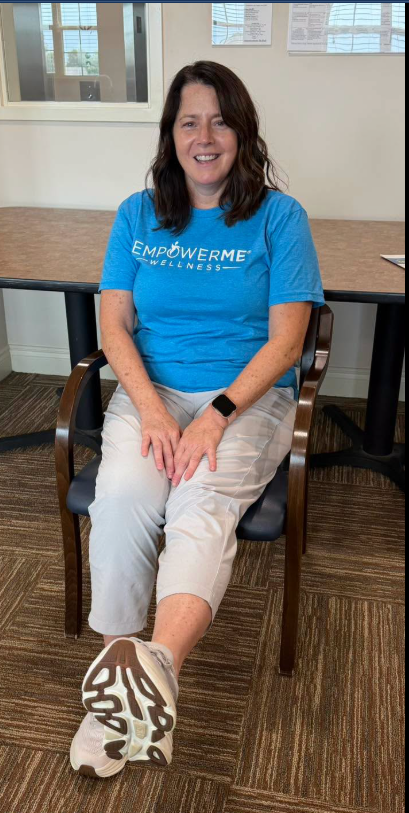
One important habit is wearing properly fitting shoes with supportive, slip-resistant soles. Appropriate footwear can improve traction and stability during everyday movement.
Residents should also use prescribed walkers, canes, or other mobility devices consistently, even when walking only a short distance.
Taking time when changing positions is another important step. I encourage residents to rise slowly from a bed or chair and pause before beginning to walk.
This gives them an opportunity to recognize whether they feel steady rather than rushing into the next activity.
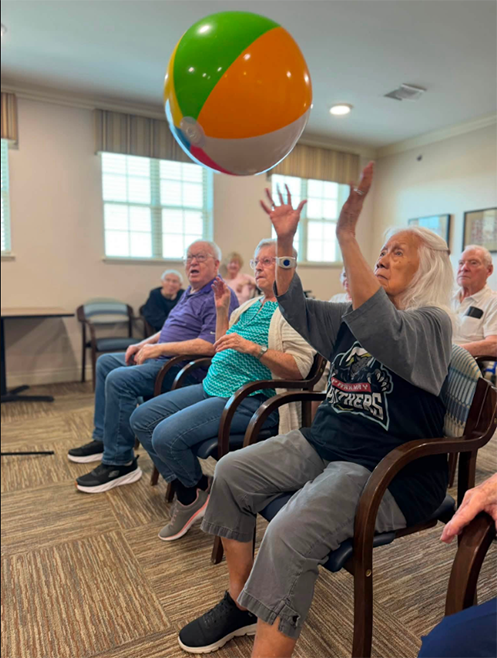
Regular movement and exercises approved by a healthcare or therapy professional can also help support strength and balance.
Staying hydrated is important as well, provided residents follow any fluid recommendations or restrictions from their healthcare provider.
One habit I especially encourage is turning on the lights before getting up or walking.
Poor lighting can make it difficult to see furniture, cords, changes in flooring, or other obstacles. This can be particularly concerning when residents get up during the night.
Keeping a lamp or light switch within easy reach can make nighttime movement safer. Motion-activated nightlights may also help illuminate the path between the bedroom and bathroom.
I also remind residents to pay attention to changes in how they feel.
If someone becomes dizzy, weak, or unsteady, they should stop moving and sit or lie down safely if possible.
They should use their call system to request assistance and avoid walking alone until the concern has been evaluated.
Our team can help assess the situation and notify the nurse or healthcare provider when appropriate.
Families and team members should also communicate any changes they notice in a resident’s balance, mobility, vision, or daily routines. Sharing these concerns early gives us an opportunity to consider additional support or adjustments.
My simplest fall-prevention tip is to turn on the lights before getting up or walking, especially at night.
It’s an easy habit that can improve visibility and help residents recognize obstacles before taking their first step.
Fall prevention often comes down to staying aware of everyday surroundings. Clear pathways, supportive footwear, appropriate mobility aids, and good lighting can all make a meaningful difference.
At The Parkway Senior Living, our goal is to help residents enjoy their independence while feeling safe, comfortable, and supported in their own homes.
The Parkway Senior Living in Blue Springs, MO offers senior villas, independent senior apartments, assisted living, and memory care with a variety of services and a range of floor plan options. Amenities include restaurant dining, 24-hour bistro, concierge service, housekeeping, events and entertainment, personal care, transportation services, and more. Centrally located near St. Mary’s Medical Center and St. Luke’s East with convenient access to major shopping centers and attractions, including Adams Point Golf Course, Adams Dairy Landing, Blue Springs Parks, Trails, Lakes / Burr Oaks Nature Preserve, Lake Rememberance, Worlds of Fun, Kansas City Zoo, The Harry Truman Library, National WWI Museum and Memorial, and The Nelson-Atkins Museum of Art.

The Parkway Senior Living serves and employs individuals of all faiths, regardless of race, color, gender, sexual orientation, national origin, age or handicap, except as limited by state and federal law.